Access to the site requires an entry ticket and admission is allowed up to 30 minutes before closing.
PDF Guide 2023 Service Charter
We communicate that this Institute is committed to offering the public the longest possible visiting hours, in compliance with the criteria for public opening, vigilance, and security of state museums and cultural sites provided by the D.M. of June 30, 2016.
Campobasso is located in the heart of the region inhabited by the Samnites of the Pentri tribe, whose name is said to mean “mountain people”. In fact, this territory is rich in fortified villages and sanctuaries on the hills, built by this people who are said to have settled in Molise in the first millennium BC following their protective animal, a bull.
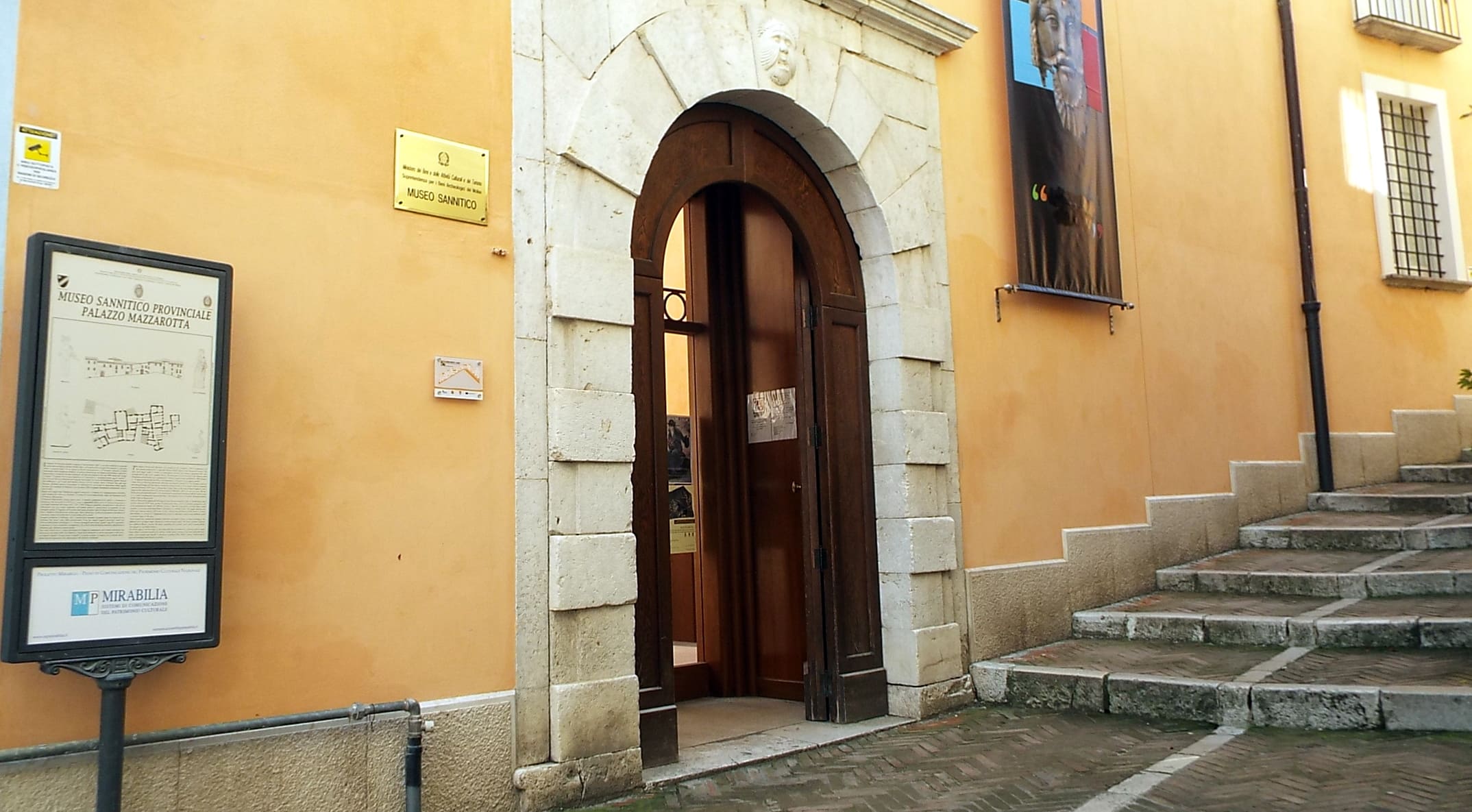
In the noble Palazzo Mazzarotta, in the historic center of Campobasso, the Samnite Provincial Museum has been open since 1995. It exhibits finds from the territory of ancient Samnium, specifically from the Province of Campobasso, ranging from late prehistory to the Middle Ages. The exhibition spaces enclose a lot of archaeological material coming both from private collections, later donated to the Campobasso community in the second half of the nineteenth century, and from modern archaeological excavations.
Samnium before the Samnites
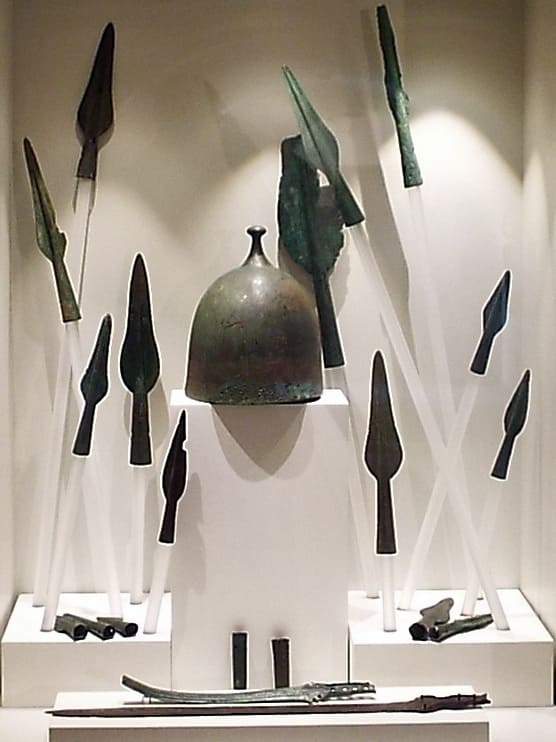
In the section dedicated to the formation of Samnite culture, we go back to the second millennium BC, when warrior societies emerged, masters in metalworking: the showcases display some of the products of the first bronze craftsmen, the weapons and jewelry of the first warriors and their ladies.
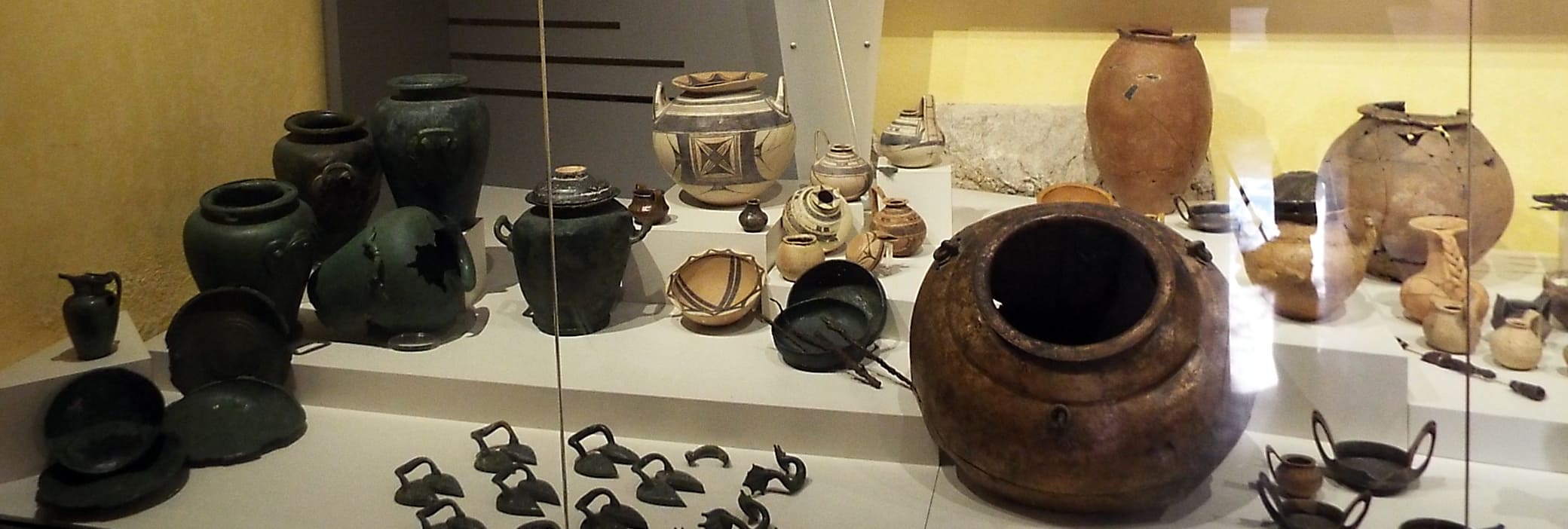
With the first millennium BC begins the formation of the ethnic identity of the pre-Roman peoples, whose leaders managed commercial and cultural contacts with neighboring regions. The tombs of the ruling classes are excellent sources of information, with their grave goods rich in exotic materials: ceramics, bronzes and ambers.
The Samnium of the Samnites – worship
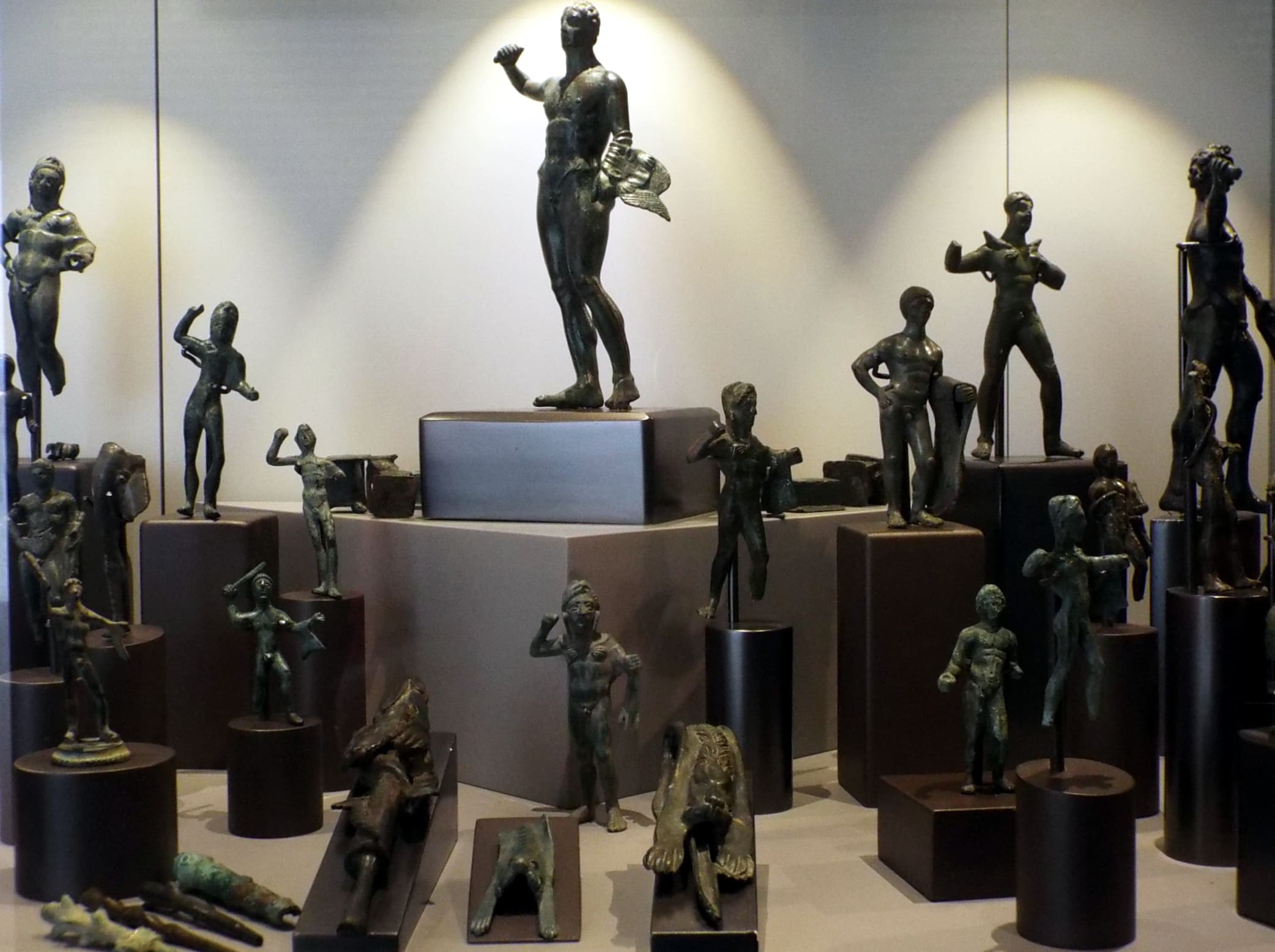
The museum brings to life aspects of daily life, rituals and beliefs of a people who for a long time opposed the rule of Rome in Italy. The cult of Hercules, practiced in mountain sanctuaries, is testified by numerous bronze votive statuettes. The original architectural terracottas of the places of worship on the walls of the rooms bring to life part of the external appearance of the sanctuaries. The offerings in the small treasures, rich in ceramics, terracottas and jewelry, reflect the devotion of the Samnite men and women.
The Samnium of the Samnites – writing
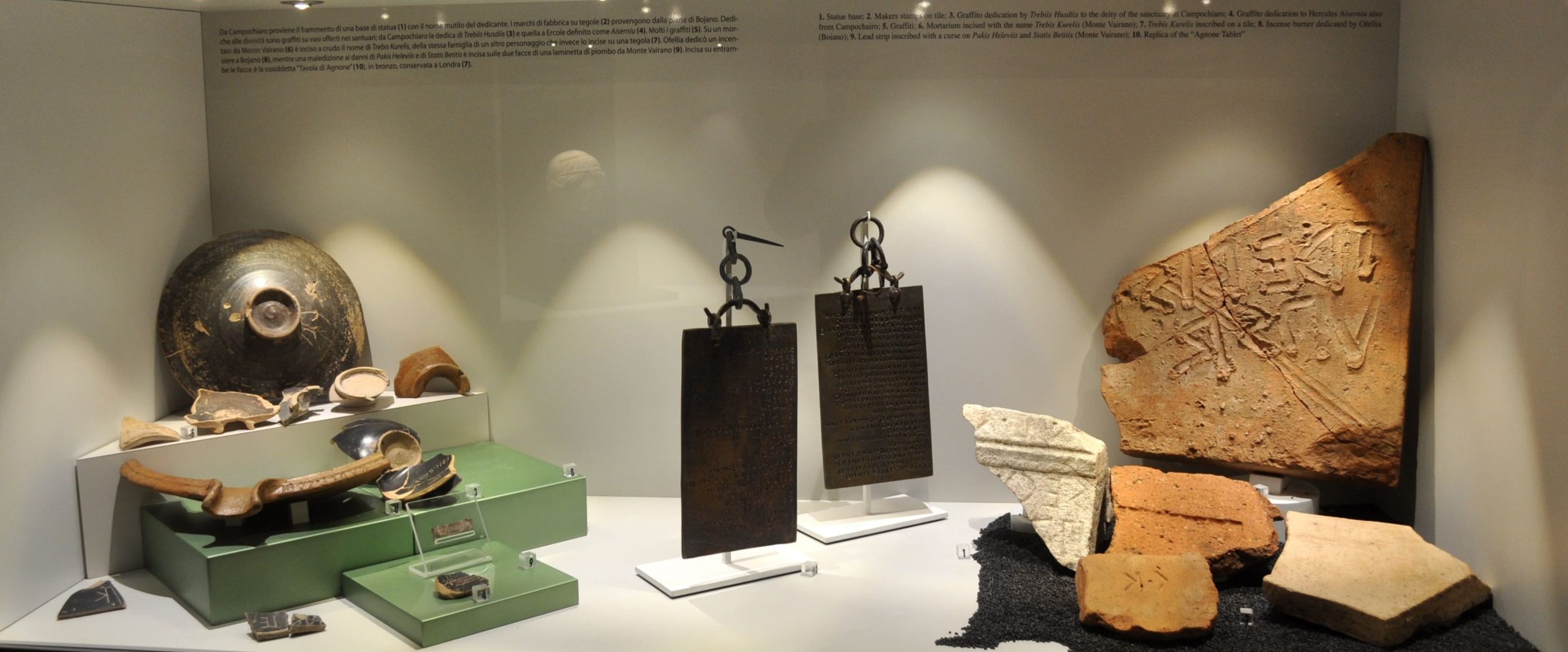
Oscan, the language used by the Samnites, is present in a section with bronze tablets, tiles and inscriptions on ceramics. Finding oneself in front of a written sign made by a Samnite means being in direct contact with their thought and their world, after more than 2,000 years.
The Samnium after the Samnites – Roman life and art
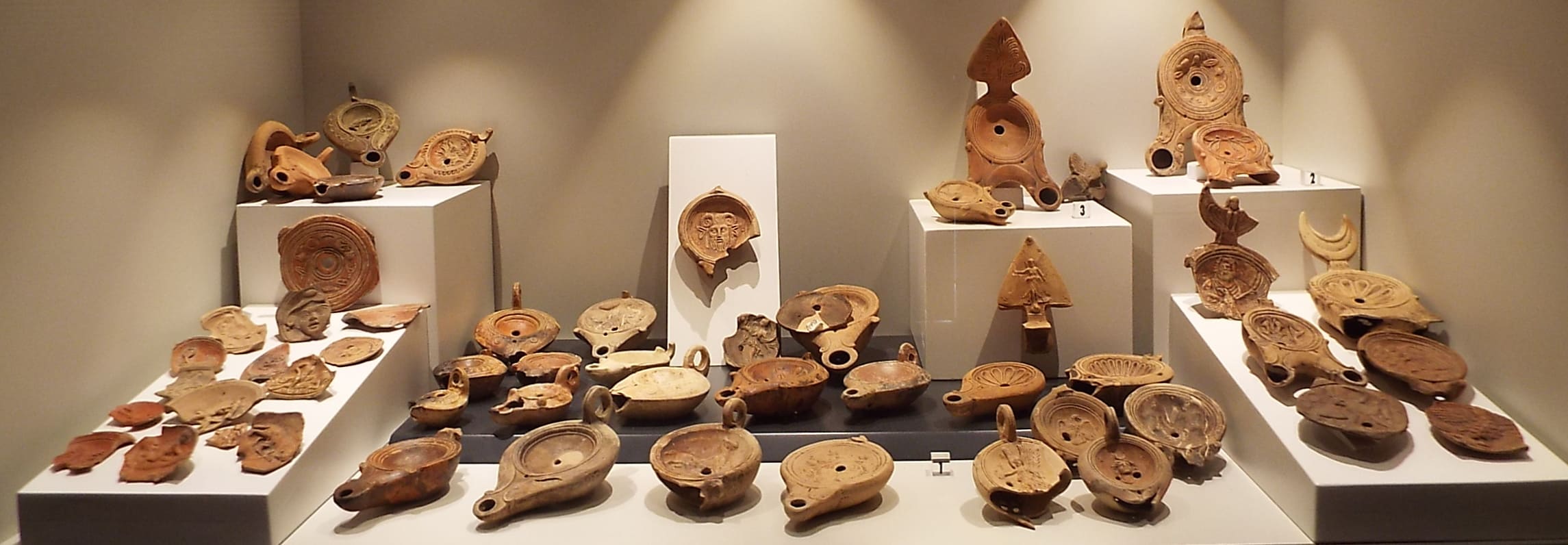
The art and lifestyle typical of the Roman world also arrived in Samnium, where many cities were born. From these, such as Sepino, come various objects that speak clearly to us of the life of Roman Samnium: running water, blown glass, marble sculpture, women’s toilet items, the use of oil lamps.
The Samnium after the Samnites – life and death of barbarian knights
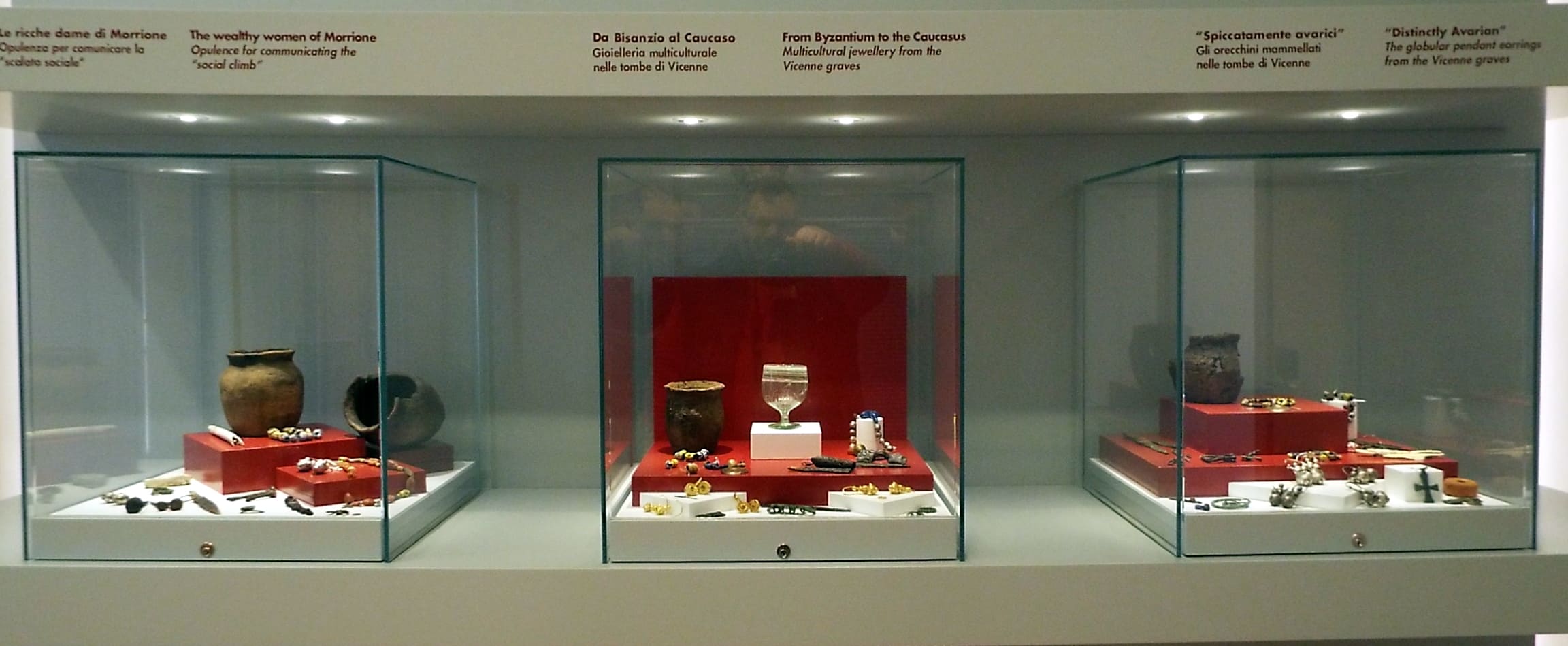
With the fall of the Roman Empire, Samnium also began to be open to the raids of barbarian tribes. Among these, those of the Bulgars who in the seventh century AD marked their presence in the Bojano valley with hundreds of tombs. In these, the barbarian horse-riding warriors, like their women, were buried with all their opulence.
The Museum was founded in 1881 and was housed, together with the Provincial Library, in the Palace of the Prefecture.
A first cataloging of the material was carried out by the archaeologist Antonio Sogliano, who published its Inventory in 1889. Since then, the Museum and the Library have experienced alternating events and multiple changes of venue until 1995, when the Museum was set up in the premises of the eighteenth-century Palazzo Mazzarotta, in the historic center of Campobasso.
Inside, the collections rely both on the original nineteenth-century provincial collection and on discoveries made during modern archaeological excavations in the Province of Campobasso. The permanent exhibition is organized according to a chronological and thematic criterion.
On the ground floor, the Bronze Age and the Early Iron Age, with the emergence and consolidation of warrior aristocracies: of particular relevance are the weapons of the Late Bronze Age and the amber jewelry of the Iron Age.
On the first floor, the Samnites, their sanctuaries, their trades, their tombs: to be noted is a rich collection of votive statuettes of Hercules, terracotta ornaments from the sanctuaries and some votive treasures.
On the second floor, the Romanization of Samnium, with materials also coming from the Roman city of Sepino: of particular interest are the marble sculptures and many small objects of daily life, such as keys, elements of women’s toilet and bronze tableware.
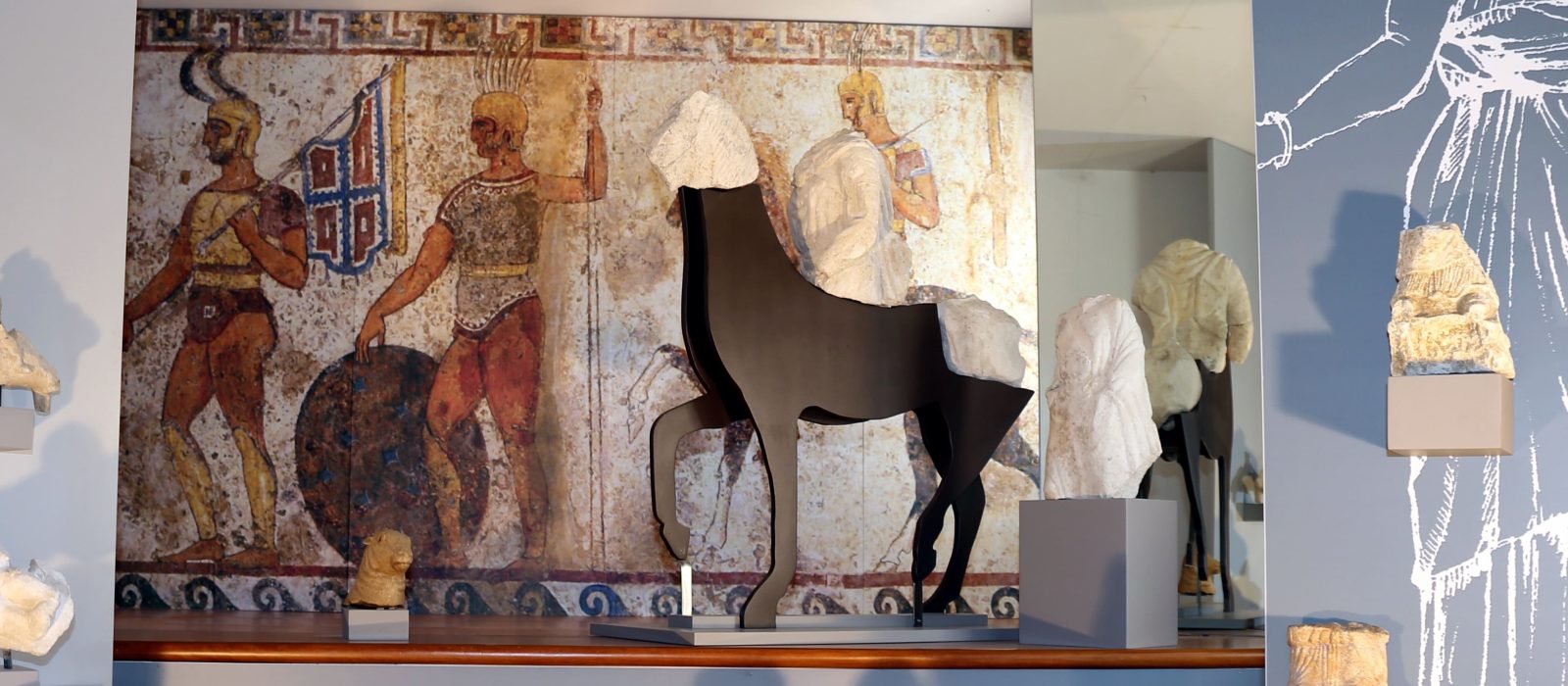
Also on the second floor, the Early Middle Ages represented by the very rich tombs of Bulgar knights found in the Bojano plain: among these, the complete reconstruction of the tomb of a warrior and his horse with rich silver harness; followed in appendix by a short section with Late Medieval materials, in particular ceramics.
 Buy ticket on Musei Italiani