
Plan your visit
Find practical information to plan your visit to the cultural sites of the Regional Directorate of National Museums of Molise.
What you can explore
Places of culture
Explore the museums Places of culture Discover museums, castles, archaeological areas, and monumental complexes of the Regional Directorate of National Museums of Molise. The…
Stories
Explore stories, places and historical contexts connected to the cultural heritage of Molise.
Virtual tours
Discover cultural heritage and museum collections through interactive 360° virtual tours.
Practical information
Opening hours, tickets and guided tours
Opening hours, tickets and admission details for cultural sites in Molise.
How to get here
Find directions, addresses and travel information for the cultural sites of the Direzione regionale musei nazionali Molise.
Services
Find information about visitor services and available resources.
Accessibility
Accessibility The Direzione regionale Musei nazionali Molise considers accessibility an essential condition to ensure that everyone can experience and enjoy the cultural heritage. Our…
Visitor rules
Read the general rules for a respectful and safe visit to the cultural sites.
Contacts
Contacts Need information to plan your visit? Find useful contact details for the cultural sites of the Regional Directorate of National Museums of Molise.
Cultural sites
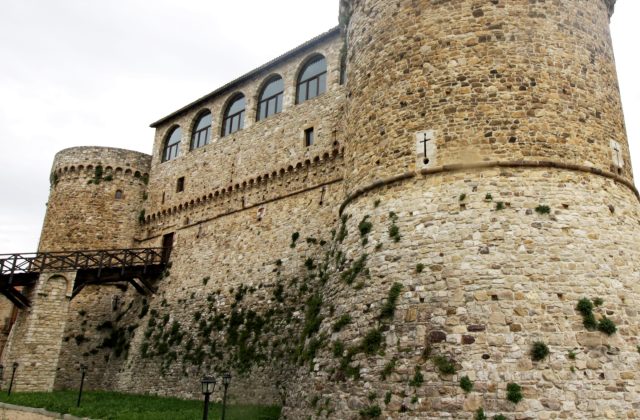
Civitacampomarano Castle
In the wide panorama of fortified settlements in the region, the castle is certainly one of the most suggestive. Despite various alterations, the castle keeps its charm as an ancient giant intact, in harmony with the historic village and the surrounding landscape.
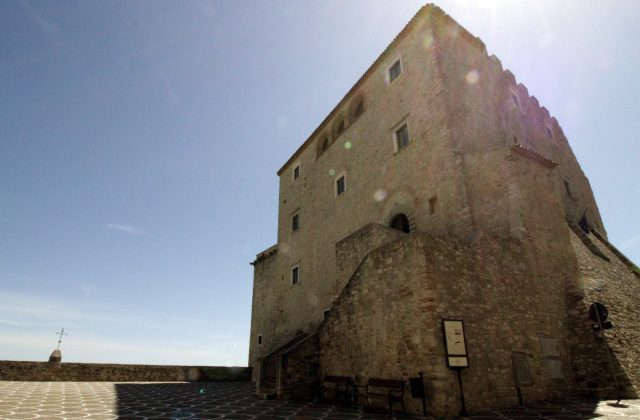
Di Capua’s Castle
A medieval manor transformed into an elegant aristocratic residence during the Renaissance. Entering its rooms, one is fascinated by the sixteenth-century frescoes of Donato Decumbertino. Here history, art, and landscape intertwine.

Excavations of Saepinum and Museum of the City and Territory
The Roman city of Saepinum is one of the most evocative places in Italy's archaeological heritage: an intact cultural landscape whose richness stems from a harmonious blend of archaeology, rural architecture, and unspoiled nature.
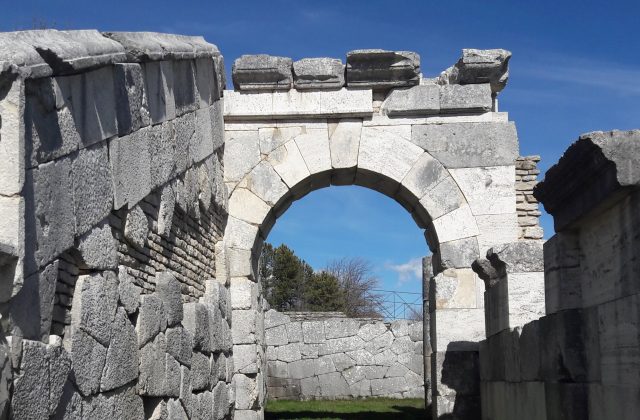
Italic Sanctuary – Pietrabbondante
Due to its monumentality, the site is considered the most important place of worship of the Samnite state.
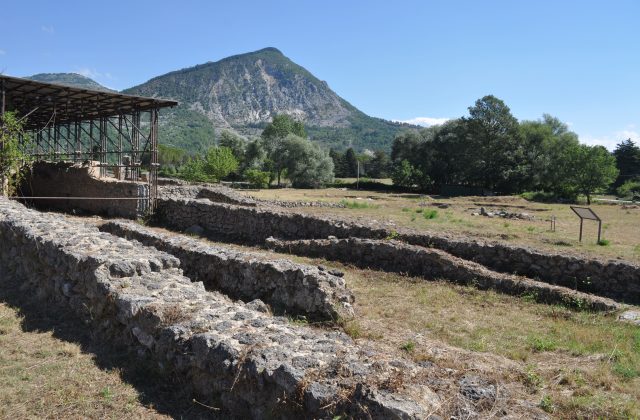
Monumental Complex of San Vincenzo al Volturno
In this very place during the 8th century, three noblemen from Benevento, Paldo, Taso, and Tato, decided to build a new monastery to dedicate themselves to a life of meditation and prayer.
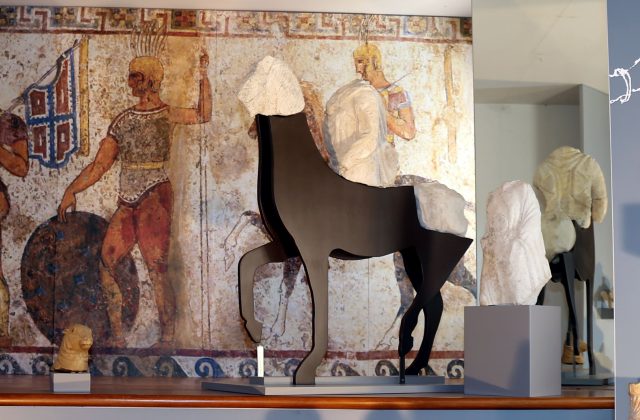
National Archaeological Museum of Campobasso
A journey through Samnium before, during, and after the Samnites through ambers, ceramics, bronzes, ivories, marbles, and funerary contexts. Where the exhibits in the showcases recall the contexts of a millennial history.
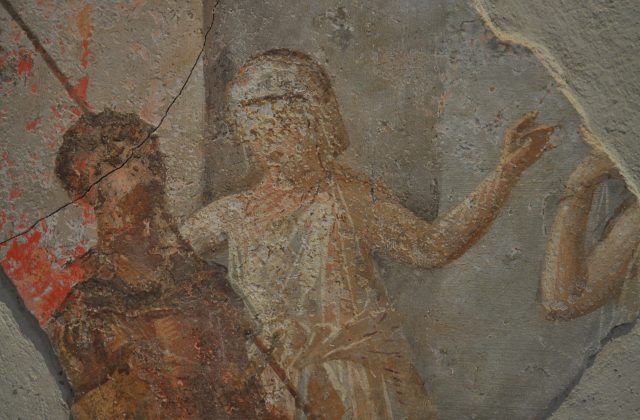
National Archaeological Museum of Venafro
The beauty of Venus and the spirituality of the Middle Ages. The thousand faces of history.
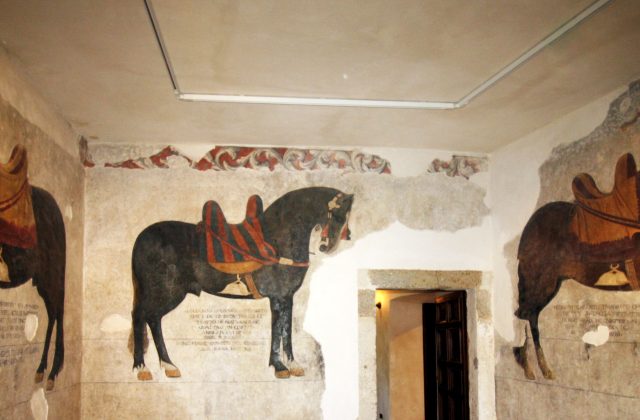
National Museum of Pandone Castle
Entering the castle of Venafro is like taking a journey into the pictorial art of seventeen centuries. From Count Enrico's life-size frescoed horses in the sixteenth century, to the collections of the National Museum ranging between the early Christian age and the modern age.
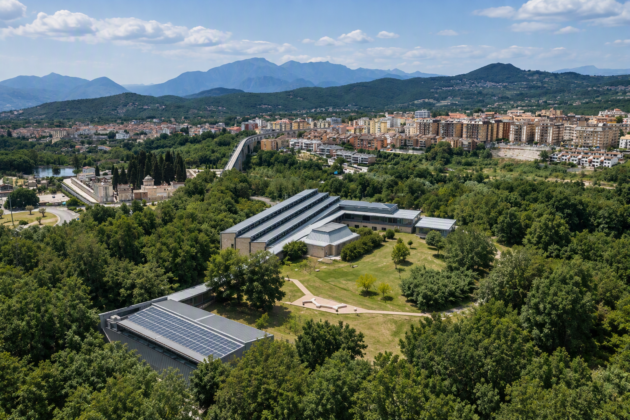
National Paleolithic Museum of Isernia
The National Paleolithic Museum of Isernia is part of an archaeological park project that develops around the Isernia La Pineta site which, given its importance and antiquity, is considered one of the main prehistoric archaeological sites for the understanding of lifestyles and population dynamics in the Mediterranean area during Prehistory.
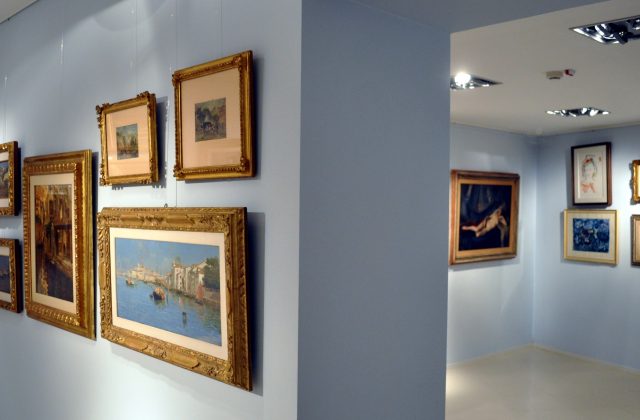
Palazzo Pistilli Museum
In the historic center of Campobasso, Palazzo Pistilli houses over 180 works of art. The six rooms of the palace narrate the taste of Molise collectors and offer a journey from the sixteenth to the twentieth century.
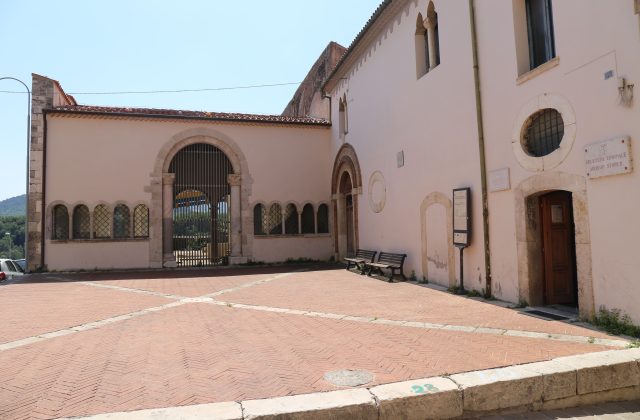
Santa Maria delle Monache’s national archaeological Museum
A cultural and gathering center for the city and territory, the Santa Maria delle Monache complex, which houses the Archaeological Museum and the "M. Romano" municipal library, has always been the historical memory of an important community.