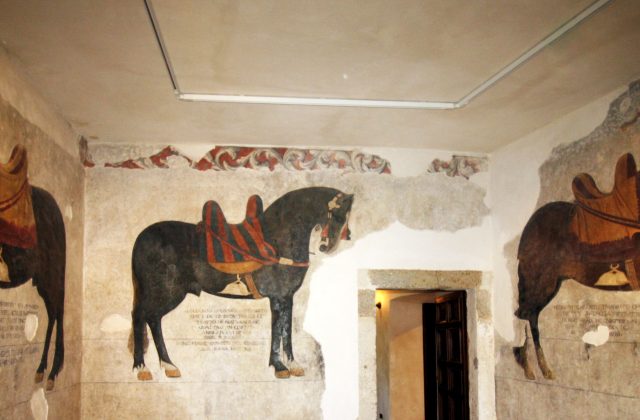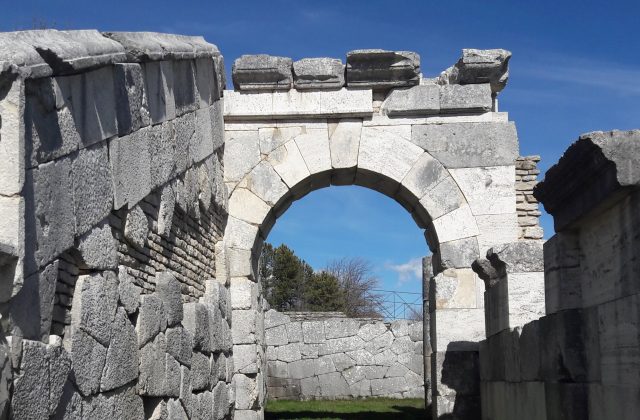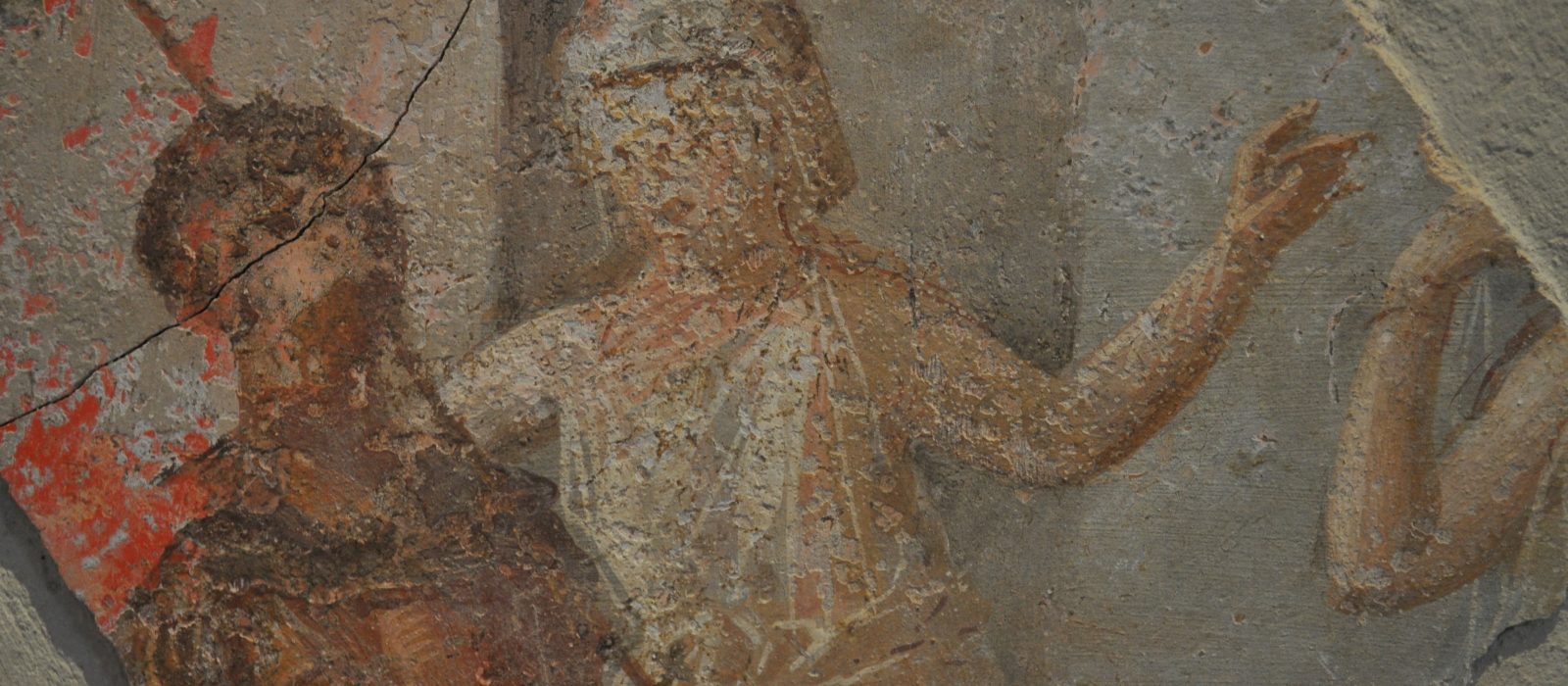
It is the largest exhibition venue of Roman and medieval antiquities in the region, a point of reference for a territory that is a crossroads between Molise, Lazio, and Campania. Here statues, frescoes, and marbles tell the story of the rich city of Venafrum and the rediscovered Benedictine monastery of San Vincenzo al Volturno.
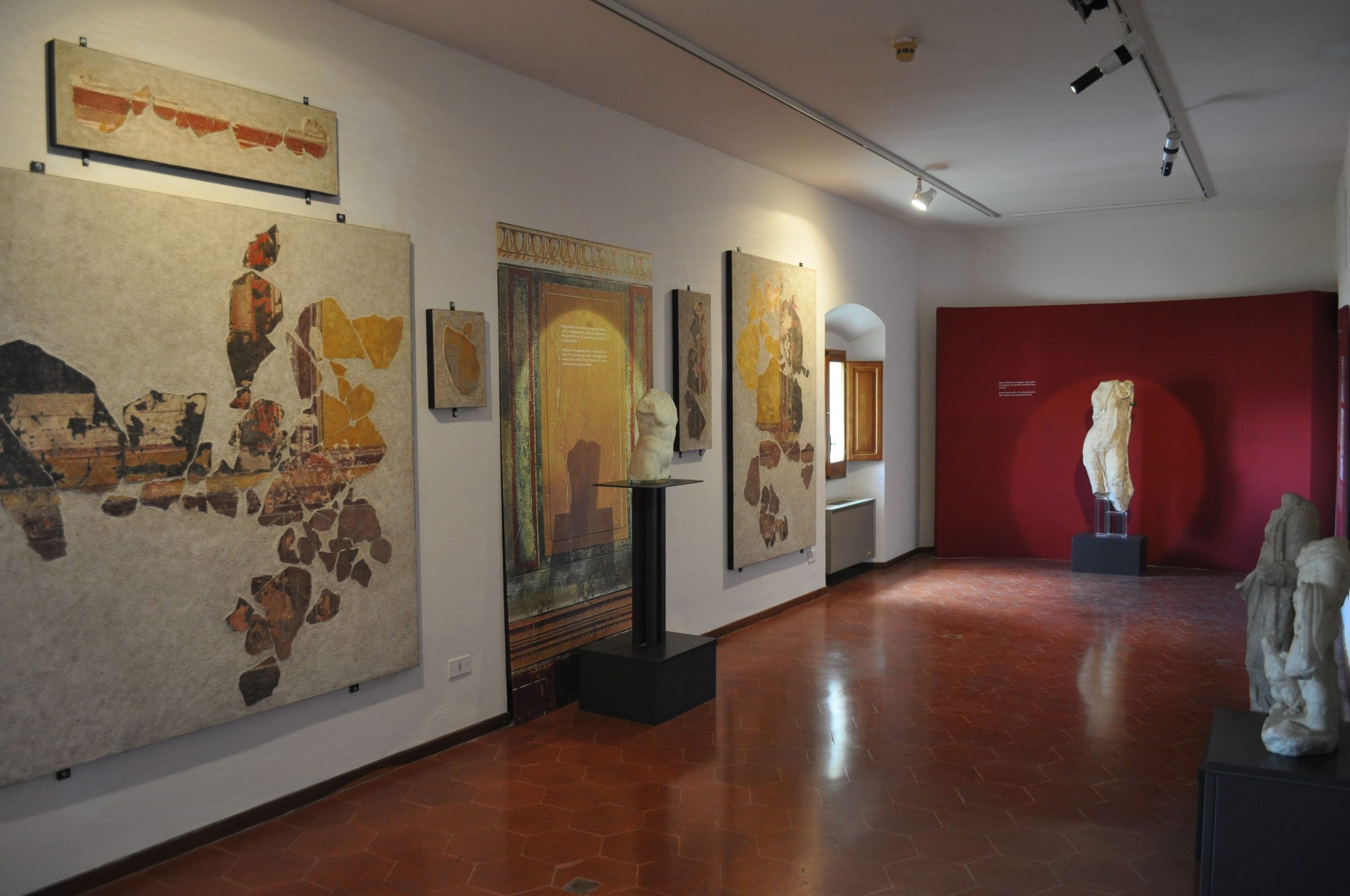
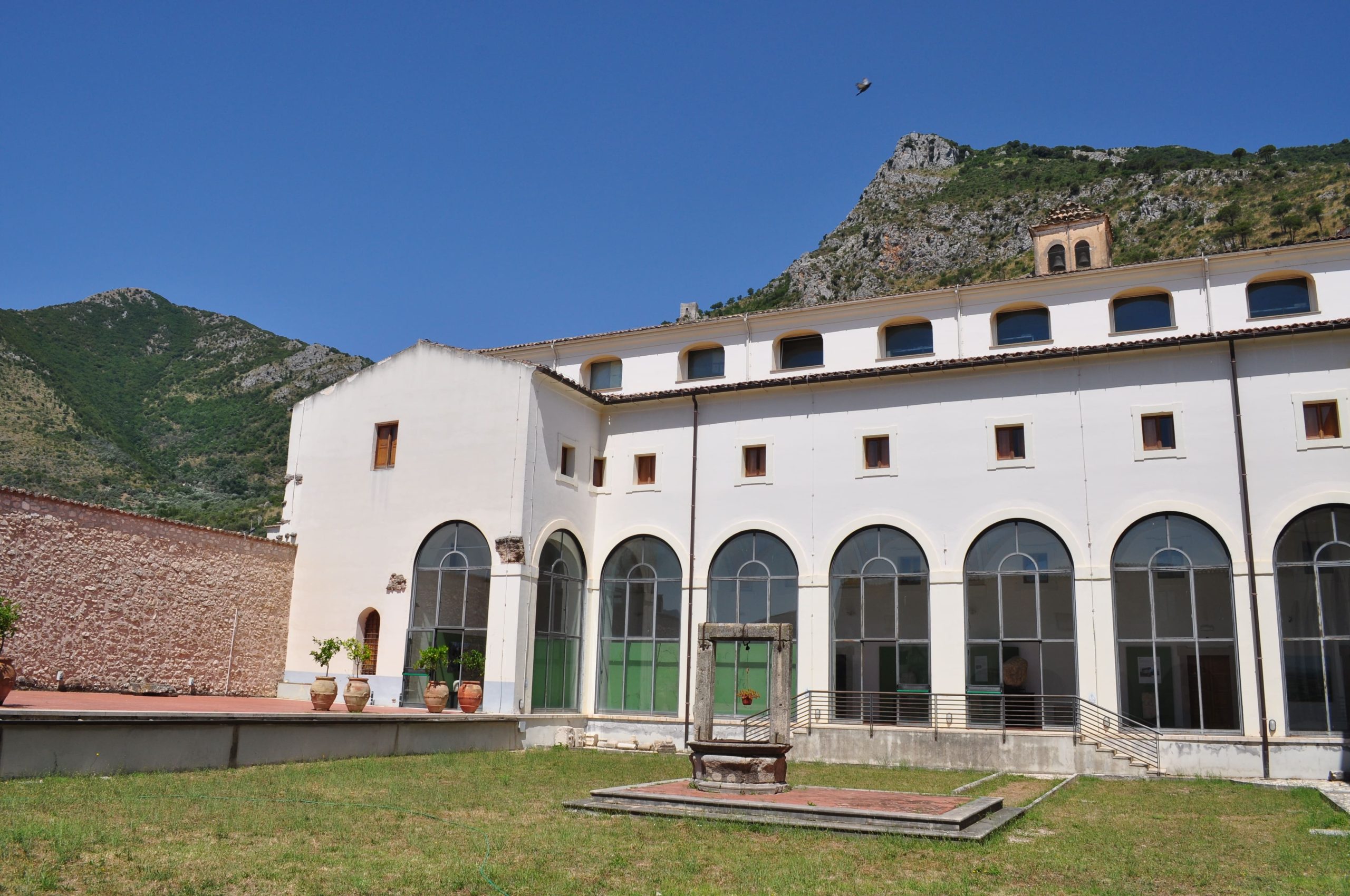
Housed in the seventeenth-century monastery of Santa Chiara, in the historic center of the city, the Archaeological Museum collects finds from prehistory to the medieval era from the territory of ancient Venafrum. Opened to the public in 1931 with a small exhibition of archaeological material, it had to be used as a shelter for displaced persons during the Second World War. In recent years it has reopened to the public with a new and more extensive display, made even more interesting by the architectural frame of the monastery.
Through the two floors of the museum unfolds the very ancient history of the city, which from an important Samnite settlement became in Roman times one of the most flourishing centers of the region, famous in particular for the production of olive oil.
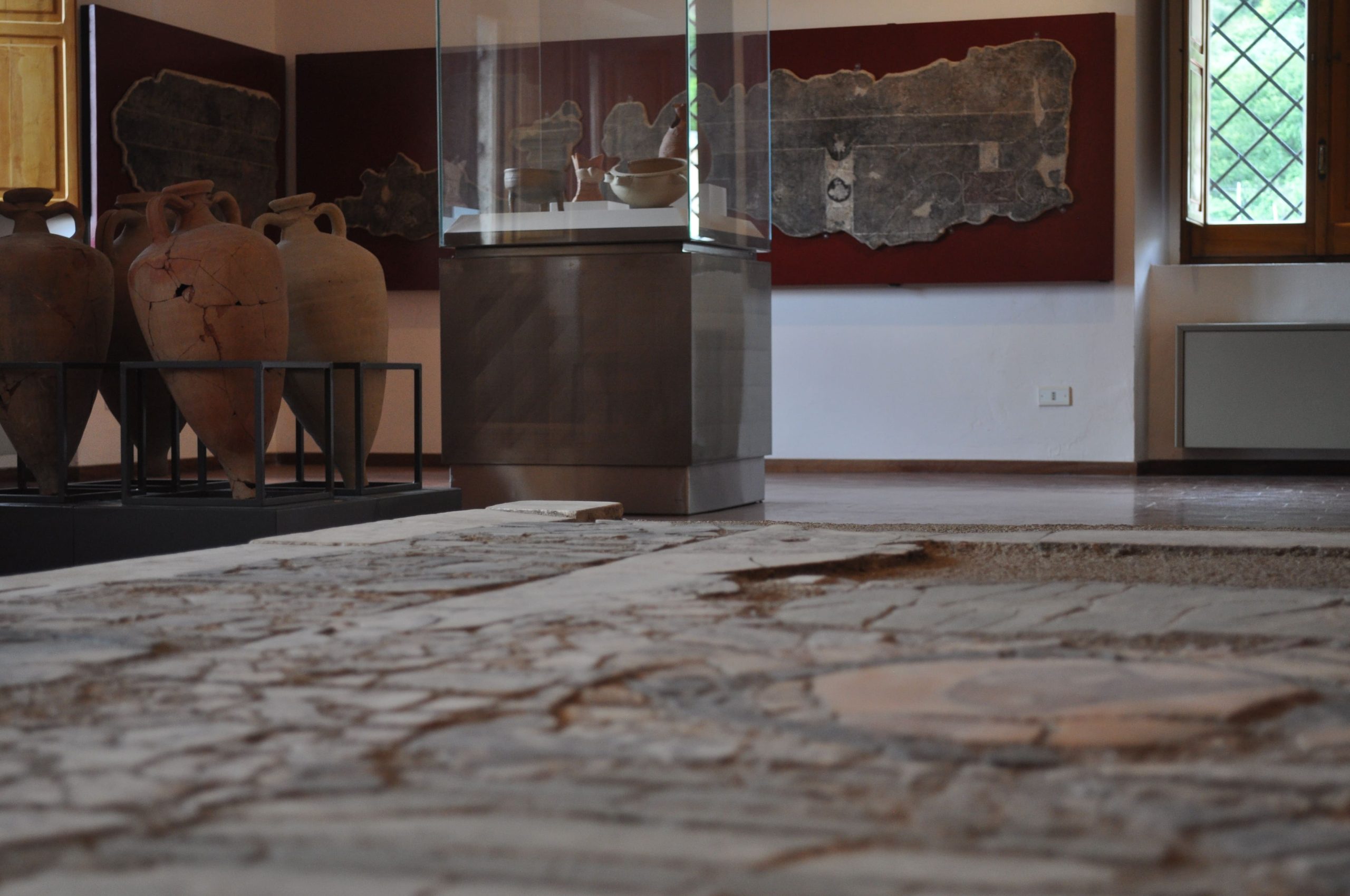
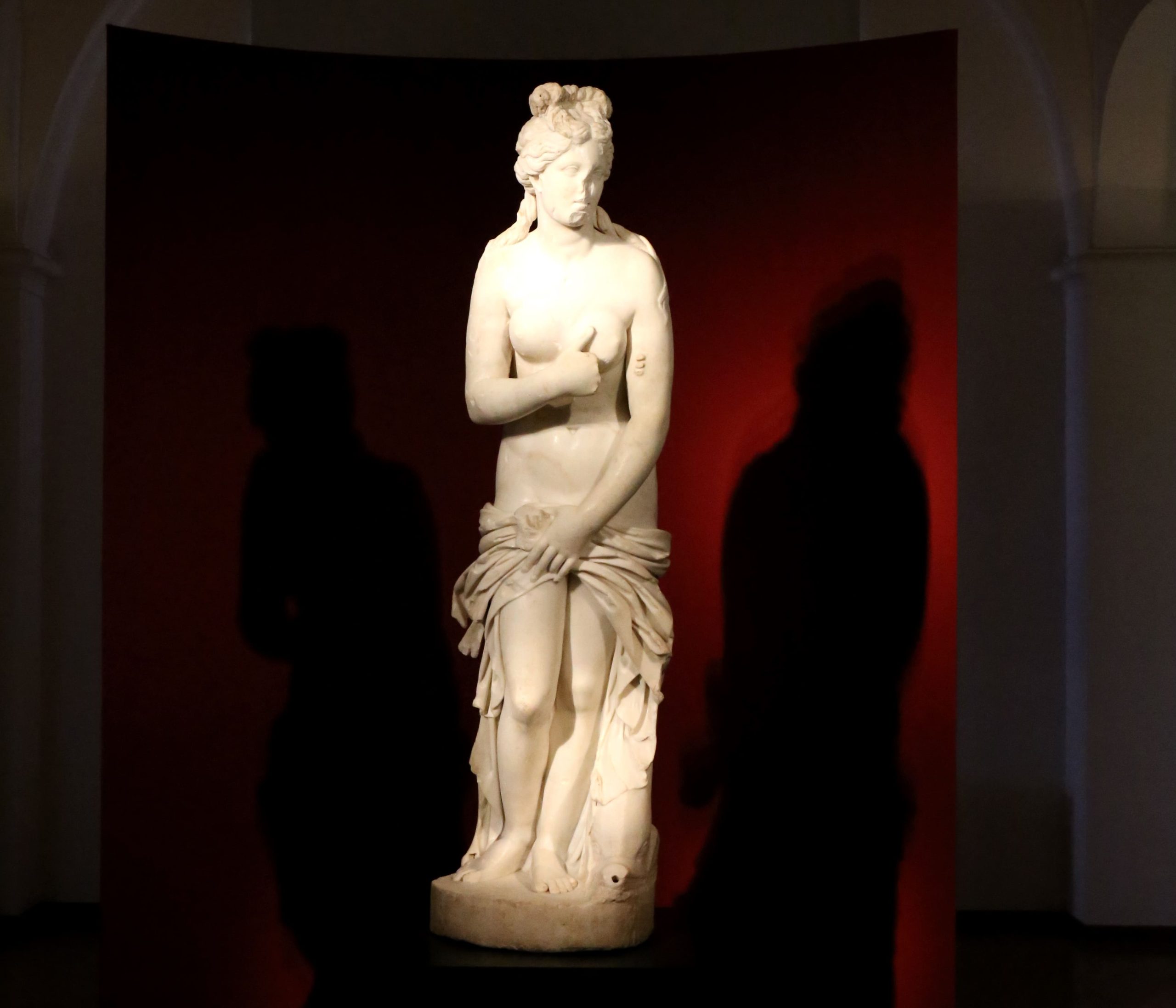
The wealth of Roman Venafrum is attested by the refined decorations of the monumental buildings and patrician residences: frescoes in exceptional preservation, mosaics and colored marbles, and above all the splendid statues, including the famous “Venus of Venafro”.
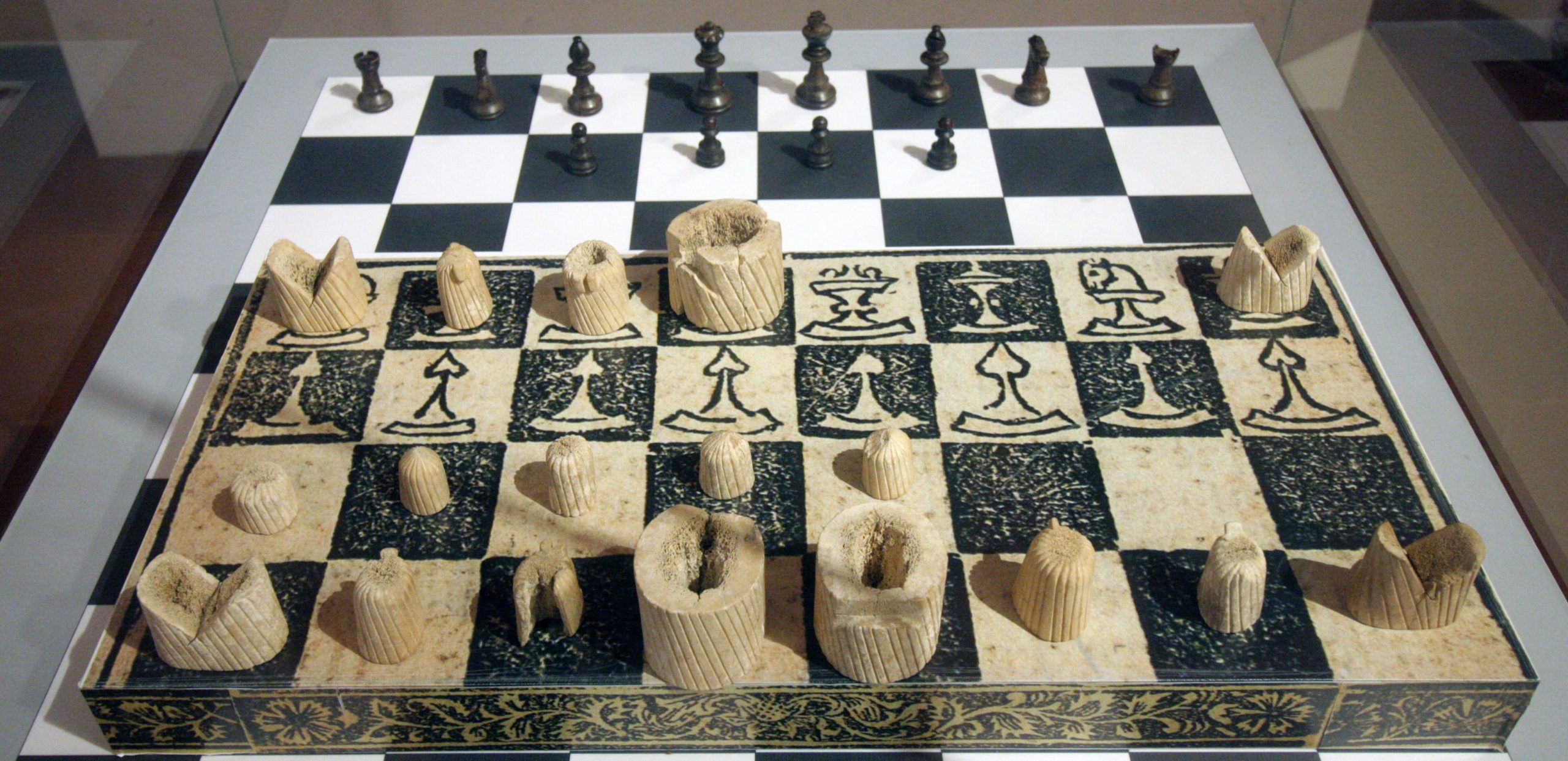
The sector dedicated to the medieval era reserves many surprises: among these the “chess of Venafro”, made more than a thousand years ago and considered among the oldest in Europe.
In addition, the most recent wing of the exhibition preserves the finds of the monastic complex of San Vincenzo al Volturno, considered by many to be one of the most important Benedictine sites of the medieval era.
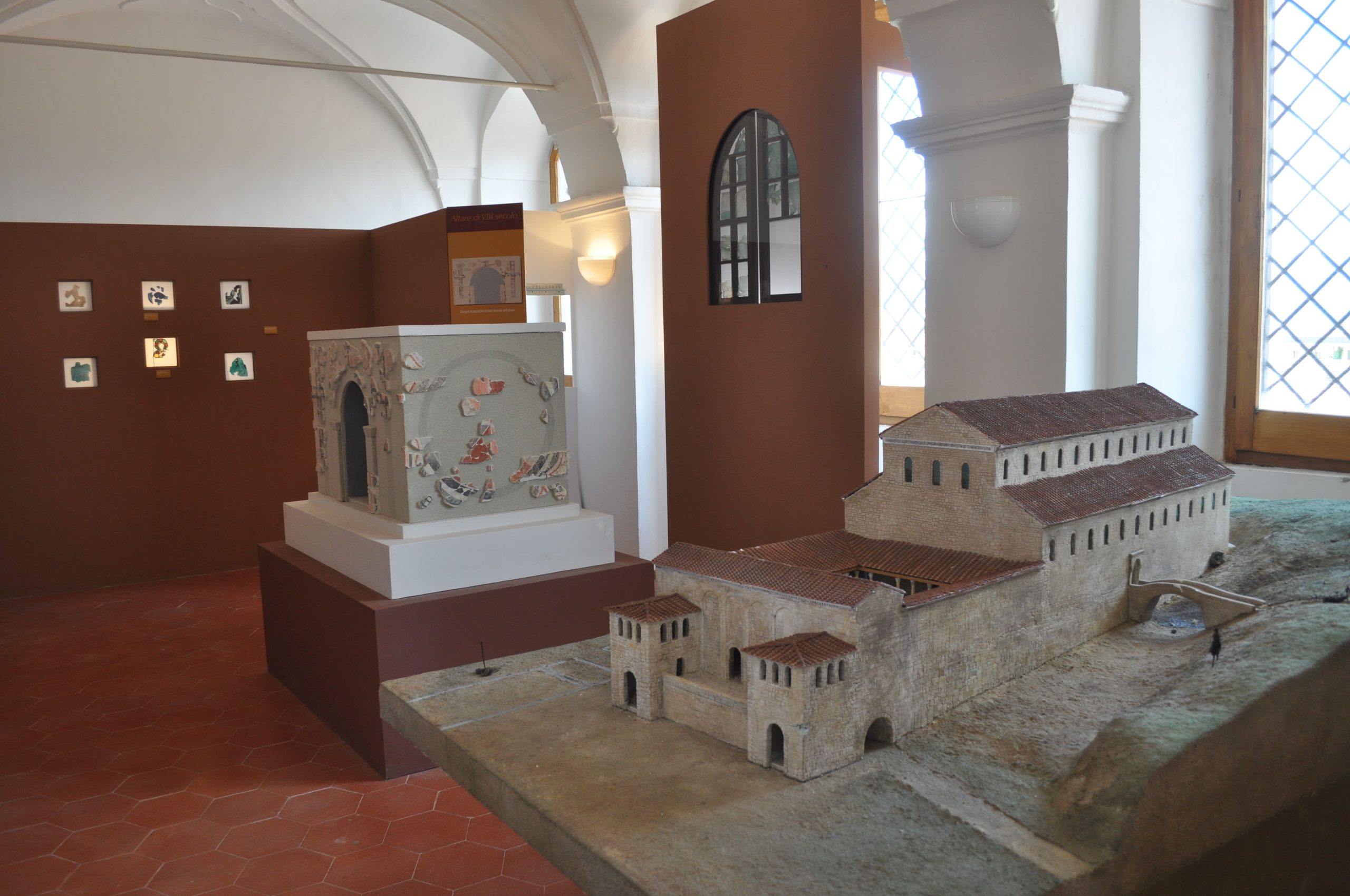
Agricultural tools, tableware, inscriptions, jewelry: finds of great interest that restore a cross-section of monastic life in the first centuries of the Middle Ages.
The National Archaeological Museum of Venafro is housed inside the seventeenth-century monastery of S. Chiara, in the historic center of Venafro, where since 1931 a first core of archaeological material, coming from the “Terme di S. Aniello” locality, had found a home.
In addition to the ancient collection, the museum preserves the discoveries from recent archaeological excavations, which have allowed us to better understand the city of the imperial era.
The exhibition route is divided into two floors according to chronological and thematic criteria and documents the various forms of land occupation in Roman times: necropolises, public works, productive settlements; the main monuments of the city; along with the different aspects of daily, public and private life of Roman Venafrum.
In the portico of the cloister is material coming from the necropolises, which were distributed along the main access roads of the Roman city.
Of particular interest is the Augustan edict with the rules of use of the aqueduct, drawn up in the years between 17 and 11 BC. The document contains indications on construction methods, relations with the owners of the land crossed, the distribution of water, and indicates the magistrates to whom the management and supervision of the aqueduct were entrusted and who were competent in case of disputes.
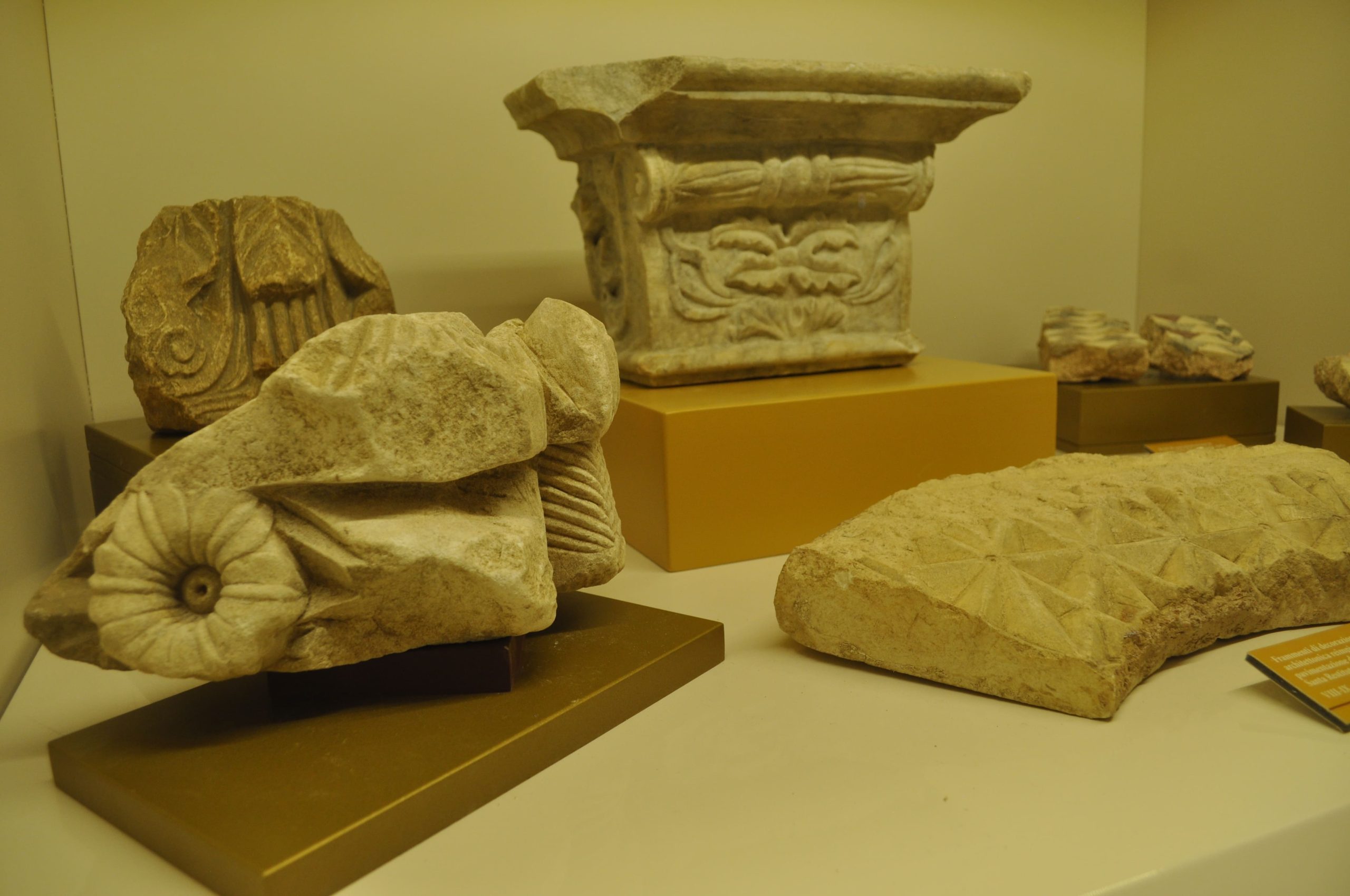
The rooms display architectural elements belonging to the decoration of the Roman theater and surrounding structures; noteworthy are the two large statues of magistrates in togas. Finds in private houses and urban area buildings are also documented there, with remains of frescoes and daily use objects such as oil lamps and coins.
Among the sculptures is well known the statue depicting Venus, of Antonine age (2nd century AD), which was found in 1958 during works for the construction of a house in via Colonia Giulia.
A section is dedicated to finds discovered inside the Monumental Complex of San Vincenzo al Volturno, about 30 km from Venafro, where it is possible to see frescoes with various themes, daily use pottery, as well as works in glass and precious metals that the monks themselves made between the 9th and 11th centuries AD.
 Buy ticket on Musei Italiani